Community Initiatives Shaping Browser Game Experiences Across Decades
Nils Schulz · Aug 21, 2026
Community Initiatives Shaping Browser Game Experiences Across Decades
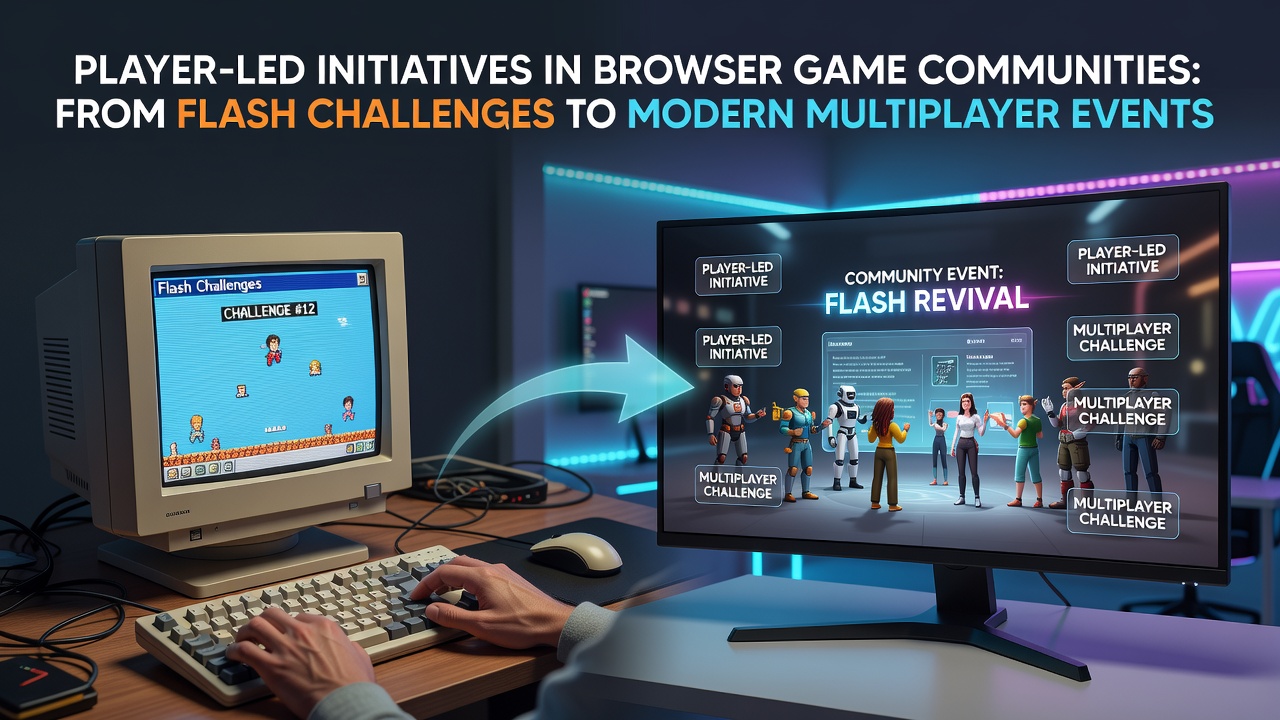
Player-led initiatives have long defined browser game communities, beginning with Flash-based challenges on platforms like Newgrounds and Kongregate where users submitted levels and competed in weekly contests that drew thousands of participants each month. These early efforts relied on simple tools and shared code snippets, allowing creators to build on one another's work without formal studio involvement, while data from industry reports shows participation rates climbed steadily through the late 2000s.
Researchers at various institutions have documented how these grassroots activities evolved as Flash technology faced decline, prompting communities to shift toward HTML5 adaptations and browser extensions that preserved competitive formats. Observers note that forums and Discord servers became central hubs for organizing events, with players coordinating rulesets and prize pools drawn from small donations or ad revenue shares.
Early Flash Challenges and Their Lasting Impact
Flash challenges often centered on speedruns, puzzle-solving marathons, and collaborative art builds where one participant started a scene and others added elements in sequence, creating chains that spanned weeks. Studies from academic sources indicate these formats encouraged skill-sharing across age groups and regions, since anyone with a browser could join without downloads or hardware barriers. Community archives reveal that some of the most popular series ran for over five years, maintaining consistent engagement through seasonal themes that aligned with holidays and school breaks.
Those who've studied participation patterns point out that leaderboards and replay sharing drove repeat involvement, as top scores appeared in dedicated threads where newcomers could study techniques and submit improvements. And yet the infrastructure remained entirely volunteer-managed, with moderators handling disputes through consensus rather than automated systems.
Transition to HTML5 and Expanded Multiplayer Formats
As browser capabilities advanced, player groups migrated to new frameworks while preserving the core idea of user-generated events, including massive co-op raids in games hosted on sites like itch.io and custom servers for titles supporting WebSocket connections. Data shows event attendance grew when organizers introduced cross-platform compatibility, allowing mobile and desktop users to compete together in real time. What's interesting is how these shifts coincided with broader industry changes, since developers began releasing APIs that communities could leverage for custom tournaments without needing permission or additional funding.
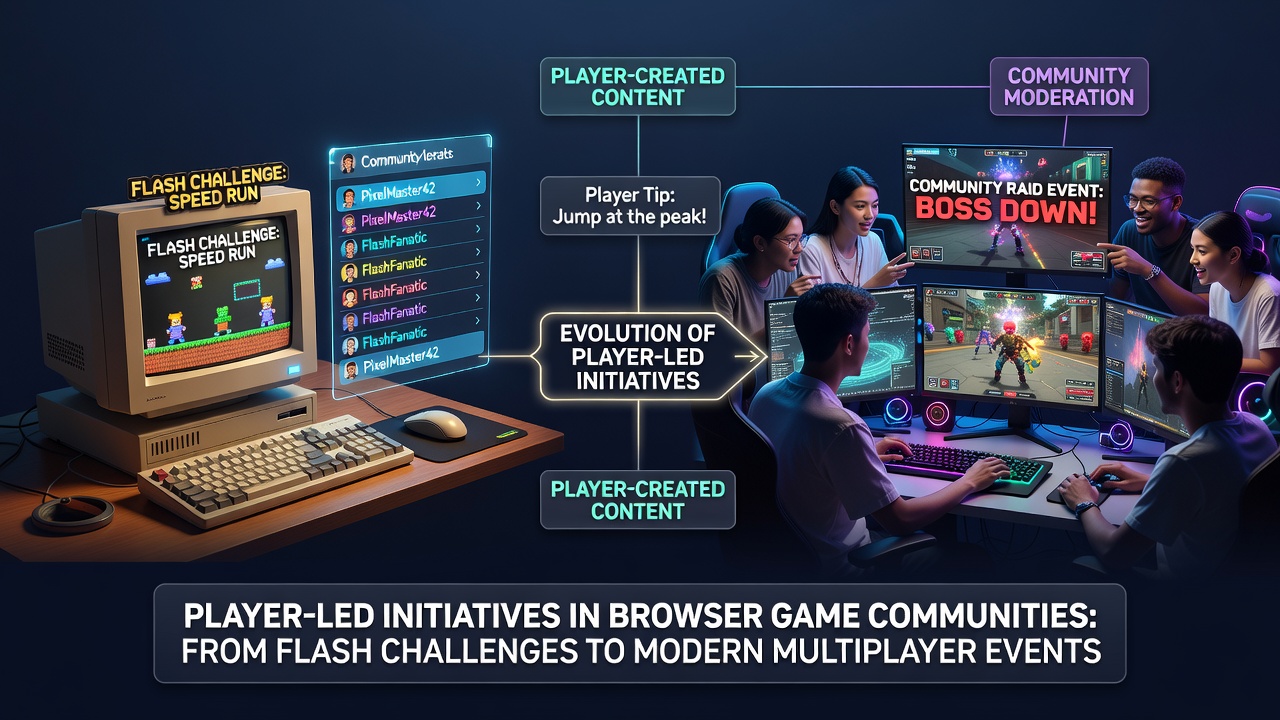
One study revealed that multiplayer events now frequently incorporate streaming integrations and live commentary tracks managed by volunteers, turning individual sessions into shared spectacles that attract audiences beyond active players. According to figures from the Entertainment Software Association, browser gaming retains a significant share of overall playtime, particularly among groups that value quick-access sessions over long installations. This reality has supported ongoing initiatives like monthly themed competitions that rotate genres to keep formats fresh.
Case Examples of Sustained Community Efforts
Take one long-running series focused on rhythm and timing challenges that began in Flash and continues today through browser ports, where participants submit recordings judged by peer panels using standardized criteria. Similar patterns appear in puzzle and strategy communities that host bracket-style tournaments lasting several weeks, complete with practice lobbies and post-event analysis threads. European research groups have tracked how these structures promote accessibility, since entry requires only a stable connection rather than specialized equipment.
Meanwhile, organizers in regions such as Australia and Canada have adapted similar models to local time zones, coordinating with international counterparts to create overlapping sessions that span multiple continents. Reports from the Interactive Software Federation of Europe highlight steady growth in such cross-border events, noting increased use of open-source tools for scoring and moderation. Those involved often discover that these setups reduce reliance on centralized platforms, since backups and rule updates stay within community control.
Current Developments Around August 2026
Planning documents shared in public repositories show several large-scale browser events scheduled for August 2026, including a global cooperative building challenge expected to involve simultaneous sessions across multiple time zones. Participants are already testing preliminary versions of the supporting tools, which incorporate real-time synchronization features developed through volunteer coding sprints earlier this year. Observers note that these preparations follow established patterns from previous seasons, where feedback loops refine mechanics before the main rollout.
Community wikis document how past iterations handled scaling issues through distributed leadership, assigning regional coordinators to manage subgroups while maintaining unified scoring. This approach has allowed events to expand without proportional increases in central oversight, keeping operations lean even as attendance rises.
Conclusion
Player-led initiatives continue to influence browser game ecosystems by filling gaps that commercial developers overlook, from niche genre revivals to experimental formats tested at small scales before wider adoption. Records indicate that successful models often persist across technology shifts because they prioritize participant input over polished presentation, ensuring relevance as browsers and devices evolve. The pattern suggests these efforts will remain a core feature of teh space, supported by the same collaborative networks that originated in early Flash communities.