Decades of Flash and Beyond: Community Stories from Web Gaming Portals
Drew Flores · Aug 19, 2026
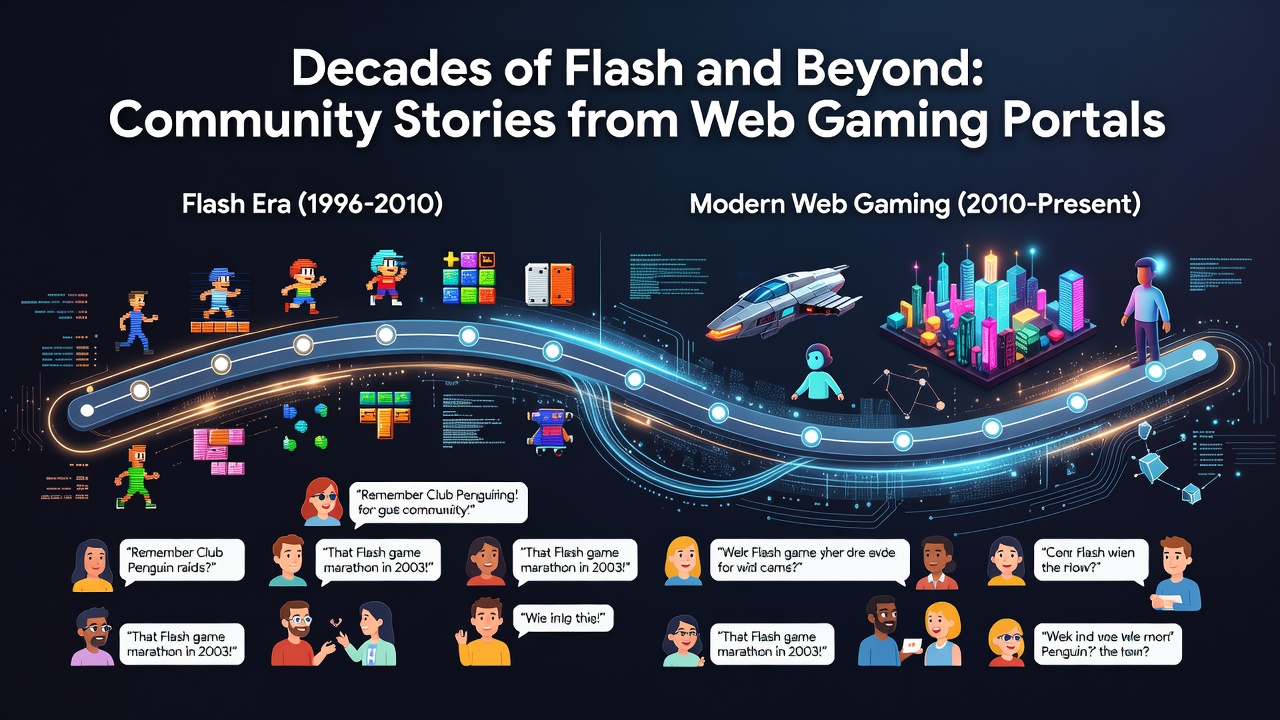
Decades of Flash and Beyond: Community Stories from Web Gaming Portals
Flash technology powered interactive web experiences from the late 1990s through the 2010s, and portals such as Newgrounds along with Kongregate became central hubs where users uploaded, played, and discussed games in real time. These platforms hosted thousands of titles built in Adobe Flash, and communities formed around shared creations ranging from simple platformers to complex multiplayer experiments. Data from industry reports indicate that peak usage occurred between 2005 and 2012, when browser-based access required no downloads and allowed instant participation across regions.
Creators often started with basic animation tools before advancing to ActionScript coding, and many recall early experiments shared on forums that led to collaborative projects. One documented case involves a small team that iterated on a single game concept over months, incorporating user feedback posted in comment sections. Figures from preservation initiatives show millions of files archived before Adobe ended support in December 2020, which prompted shifts toward HTML5 and other web standards.
Portal Origins and Growth Patterns
Early portals emerged alongside broadband expansion, and sites launched in the United States and Europe quickly gained traction by offering free access and user submission systems. Observers note that Newgrounds, founded in 1995, evolved from a flash animation showcase into a full game repository by the early 2000s. Similar growth occurred on platforms like Armor Games and Addicting Games, where leaderboards and rating systems encouraged repeated visits and community ranking of content.
Statistics compiled by research groups reveal that daily active users on major portals reached several million during summer months, driven by school breaks and viral sharing through early social networks. Developers from various countries contributed, and regional variations appeared in game themes, such as puzzle styles popular in Asia compared to action-focused titles from North American creators. Transition periods saw portals experiment with sponsorship models, where advertisers funded featured games that reached wider audiences through embedded widgets.
Community Interactions and Shared Narratives
Forums attached to these portals served as discussion spaces where players exchanged strategies, reported bugs, and organized contests. Evidence from archived threads shows users forming long-term friendships that extended beyond gaming sessions, with some groups coordinating real-world meetups documented in later interviews. Data indicates high engagement in user-generated content challenges, where monthly themes prompted hundreds of submissions judged by community votes.
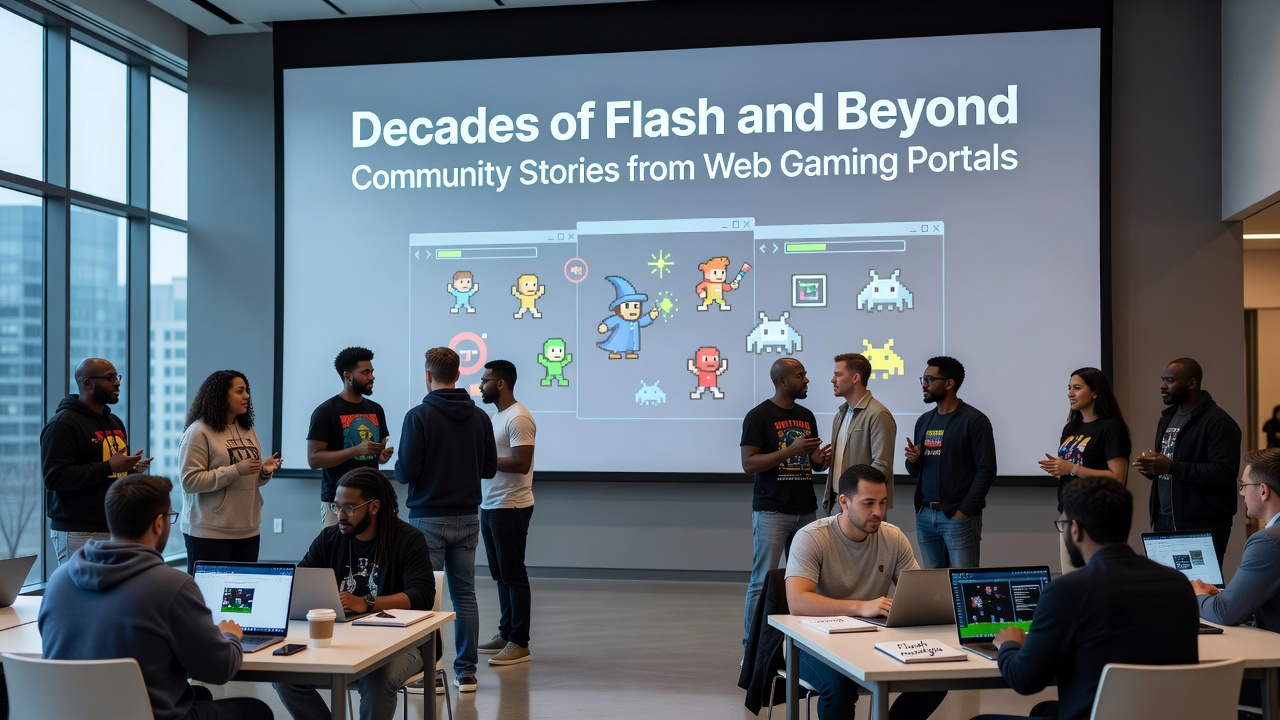
Stories collected by historians highlight individuals who began as players and later became moderators or even professional developers after gaining recognition on these sites. One example involves a Canadian creator whose series gained traction through iterative releases and direct responses to player suggestions posted in dedicated sections. Such interactions fostered skill development, and researchers have tracked how many current indie studios trace origins to these early web communities.
Technical Shifts and Preservation Efforts
Adobe's announcement regarding Flash Player retirement accelerated migration to alternative technologies, and portal operators responded by converting popular titles to JavaScript and WebGL frameworks. According to reports from the Entertainment Software Association, conversion projects preserved access to thousands of games that would otherwise have become unplayable. In August 2026 archives maintained by volunteer groups continue to host emulated versions, allowing new generations to experience original mechanics while noting differences in performance across devices.
European Union-funded digital heritage programs have supported some of these efforts, and similar initiatives appear in Australian research institutions focused on interactive media history. Users who revisit converted games often compare original Flash versions with updated ones through side-by-side demonstrations shared on current forums. These comparisons reveal adaptations required for touch controls and higher resolutions, yet core gameplay loops remain intact in many cases.
Legacy and Ongoing Developments
Modern web gaming portals incorporate lessons from the Flash period, including robust moderation tools and emphasis on user contributions. Industry analyses show continued growth in browser-based titles, though distribution now relies on app stores alongside direct web access. Community stories persist through podcasts and retrospective articles that interview original participants, documenting how early portals influenced broader digital culture.
Global participation expanded as internet infrastructure improved in additional regions, and data from international gaming associations confirm rising contributions from developers in South America and Africa. Preservation databases track usage metrics that demonstrate sustained interest, with certain classic titles still receiving updates from dedicated fans years after initial release.
Conclusion
Web gaming portals shaped interactive entertainment for over two decades through Flash-based content and active user communities. Records from multiple sources document the transition to current standards while maintaining access to historical material. Ongoing projects ensure that community narratives and game archives remain available for study and enjoyment across future periods.