Forging Communities in the Early Days of Online Play: Events and Challenges That Built Dedicated Multiplayer Worlds
Drew Flores · Sep 7, 2026
Forging Communities in the Early Days of Online Play: Events and Challenges That Built Dedicated Multiplayer Worlds
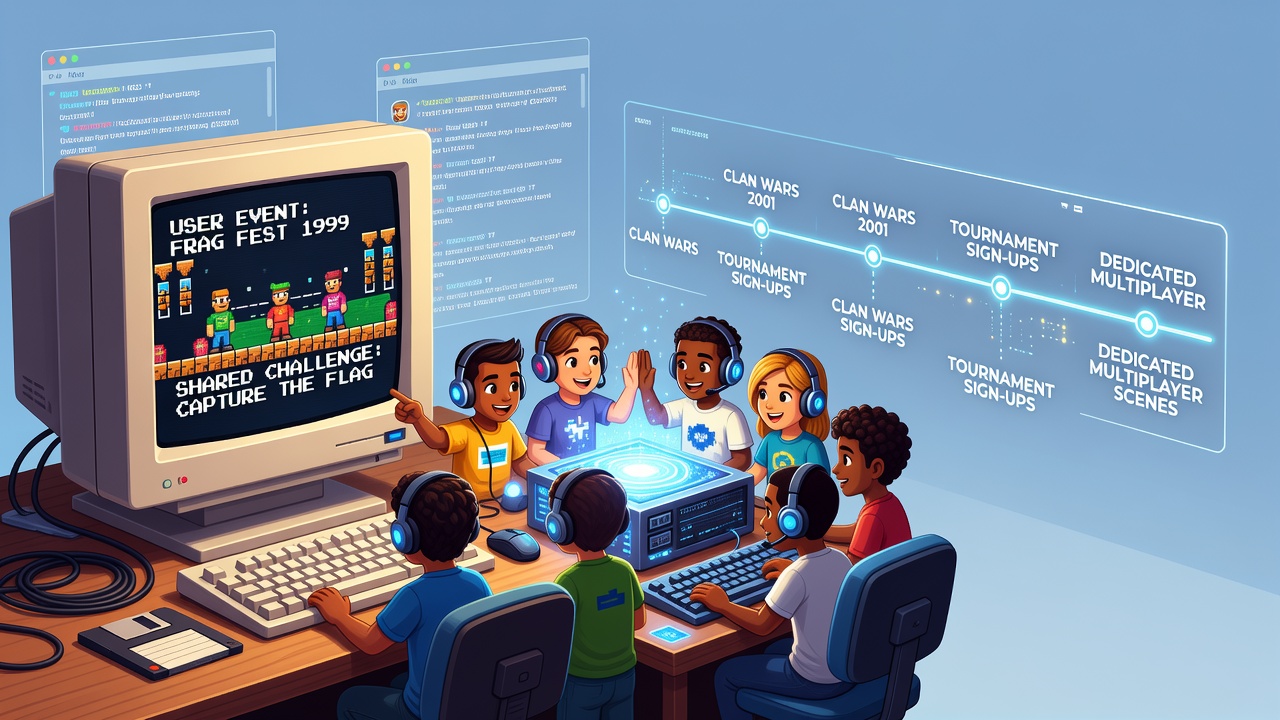
Early internet gaming sites developed dedicated multiplayer communities by organizing regular user events and shared challenges that encouraged repeated participation and social bonds among players scattered across different locations. These platforms, active primarily during the 1990s and early 2000s, relied on features such as scheduled tournaments, collaborative quests, and leaderboard competitions to transform isolated logins into sustained group interactions, and data from industry reports indicate that such mechanisms increased average session times and return visits significantly.
Platforms That Shaped Initial Multiplayer Interactions
Services like the MSN Gaming Zone and early iterations of Battle.net provided the infrastructure where users could join matches without needing advanced hardware or dedicated servers at home, while sites such as Mplayer and Heat.net added chat rooms and event calendars that highlighted upcoming user-hosted competitions. Research from the Entertainment Software Association shows these environments hosted thousands of simultaneous connections by the mid-1990s, and observers note that the absence of graphical polish was offset by the social structures built around recurring events.
Game titles including Quake, StarCraft, and Diablo benefited directly from these systems because developers integrated basic multiplayer code while third-party sites handled matchmaking and community management, and players often formed clans or teams that persisted across multiple sessions because event organizers posted results and upcoming matches publicly.
Mechanics of User Events and Their Role in Retention
Tournaments typically followed a bracket format where participants signed up through simple web forms, competed in elimination rounds, and received rankings updated in real time, and this structure created clear progression paths that rewarded consistent attendance. Shared challenges, such as collective score goals in puzzle or racing games, allowed larger groups to contribute toward common targets, and figures from academic studies on digital culture reveal that these cooperative formats reduced dropout rates compared to purely competitive modes alone.
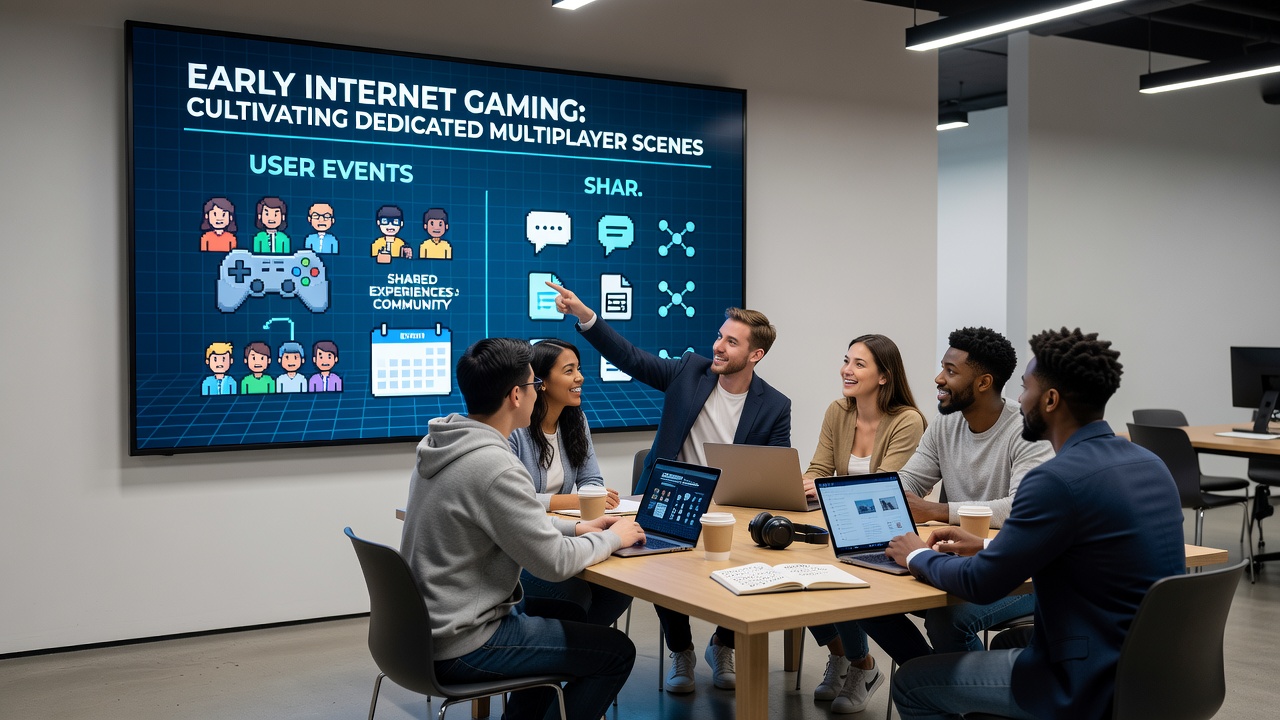
Moderators and volunteer organizers played key roles by enforcing rules, resolving disputes, and archiving match histories, which in turn fostered trust and encouraged newcomers to join established groups, while data from university research on online communities indicates that sites with active event schedules retained users at rates up to three times higher than those offering only open matchmaking.
Geographic and Cultural Reach Through Shared Activities
Because early connections often crossed national boundaries, events incorporated time zone considerations and language options that broadened participation, and reports compiled by Canadian research institutions highlight how North American and European players coordinated across continents through text-based announcements posted days in advance. Australian gaming archives further document similar patterns where local servers mirrored international challenges, allowing regional groups to compare performances on unified leaderboards.
These activities extended beyond single games when sites hosted cross-title competitions or seasonal themes that aligned with holidays or game updates, and such variety prevented stagnation while reinforcing the habit of checking event calendars regularly, according to analyses from European digital media studies.
Long-Term Effects on Gaming Culture
Many clans and player networks formed during this period transitioned into modern esports organizations or persistent communities that still reference early event formats, and industry data shows that the emphasis on user-generated challenges laid groundwork for later features like achievement systems and seasonal battle passes. The practice of archiving results and recognizing top performers created historical records that new users could consult, thereby lowering barriers to entry for subsequent generations of players.
Conclusion
Early internet gaming sites established durable multiplayer scenes by embedding user events and shared challenges into their core offerings, which converted casual connections into committed communities through structured participation and visible progress tracking, and this approach continues to influence contemporary platform design even as technology has advanced far beyond dial-up limitations.