How Multiplayer Browser Games Forged Lasting Online Communities
Drew Flores · Oct 19, 2026
How Multiplayer Browser Games Forged Lasting Online Communities
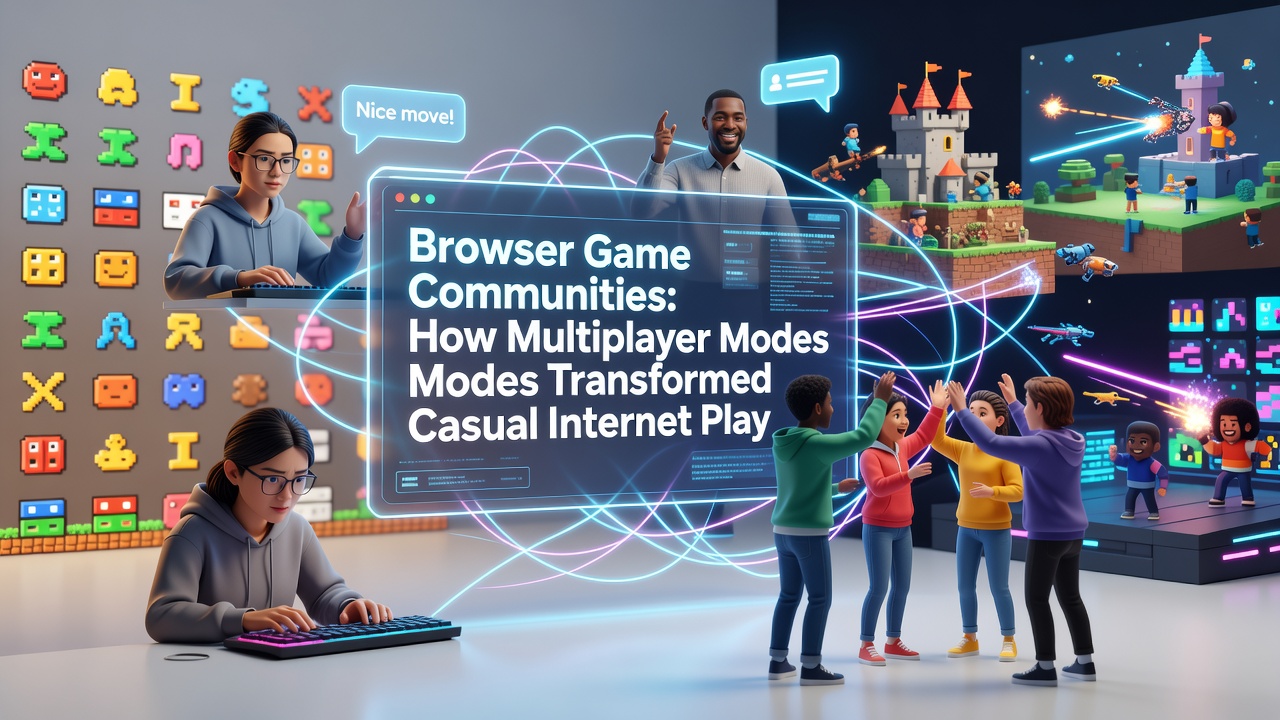
Browser games began as solitary experiences where individuals clicked through simple interfaces without external connections yet the introduction of multiplayer modes shifted these activities toward collective participation that extended beyond single sessions and the data from industry reports shows participation rates climbing steadily through the 2000s as developers integrated real-time elements into platforms that once supported only offline play.
Early Browser Games and the Solitary Starting Point
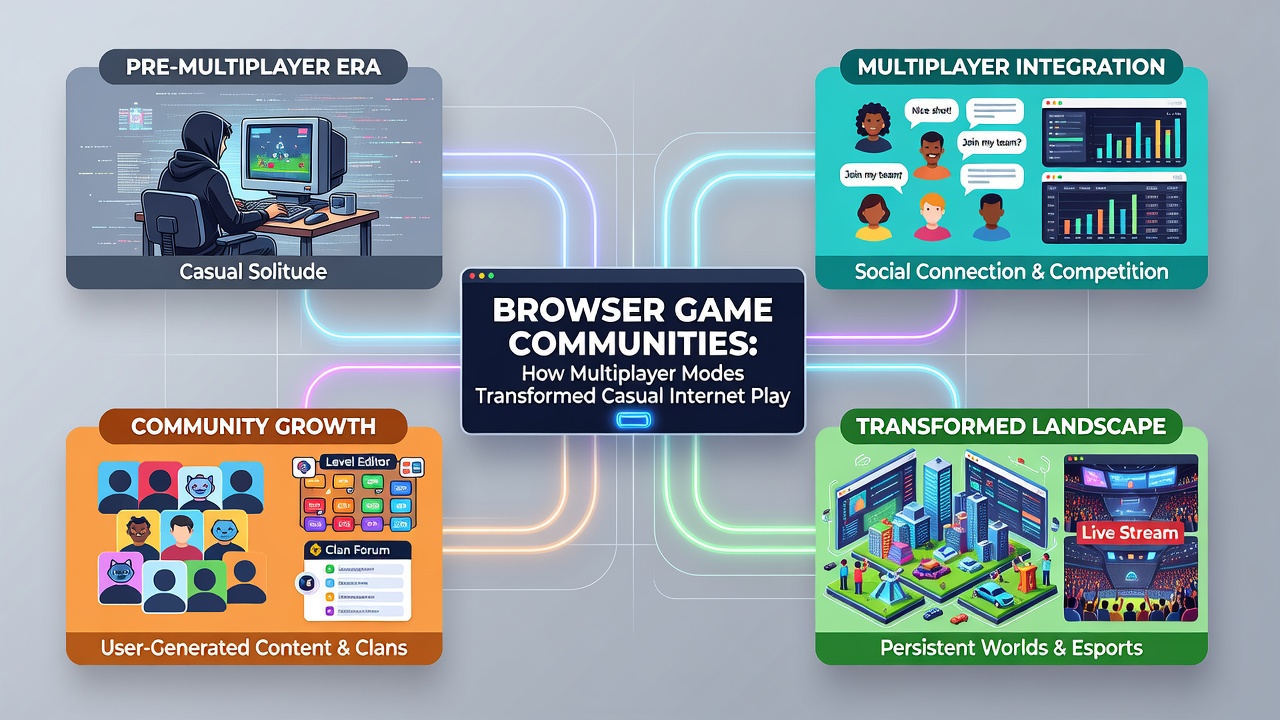
Initial browser titles relied on basic HTML and later Flash technology which allowed quick loading without downloads while users completed levels alone and progress stayed local to each device until external servers became standard features and researchers at various universities documented how these isolated formats gave way to networked options that permitted simultaneous logins from multiple locations.
Observers note that sites hosting flash content saw rapid adoption once chat functions and shared leaderboards appeared and figures from the Entertainment Software Association indicate browser-based play accounted for a growing share of casual gaming hours by the mid-2000s because players sought interaction rather than isolated challenges.
The Shift Toward Real-Time Multiplayer Integration
Developers began embedding Java and early WebSocket protocols into casual titles which enabled live interactions such as cooperative puzzles or competitive matches and this technical change coincided with broader internet speed improvements that reduced latency for users across regions and studies from academic institutions in Canada have tracked how these additions increased session durations compared to single-player equivalents.
Communities formed around specific games through built-in forums and external discussion boards where participants exchanged strategies and formed groups for repeated play and data shows that titles supporting persistent worlds retained users longer because social ties replaced one-off entertainment as the primary draw.
By October 2026 many platforms continue to evolve these systems with cross-device compatibility that allows mobile and desktop users to join the same sessions and industry analyses confirm ongoing growth in concurrent player numbers during peak evening hours across North America and Europe.
Community Structures That Emerged From Shared Play
Multiplayer modes created hierarchies within games where experienced participants mentored newcomers through voice or text channels and these relationships often extended to dedicated Discord servers or subreddit groups that organized events outside the original browser environment and research indicates such extensions strengthened retention because players valued the social layer as much as the gameplay itself.
Observers have recorded how clans and guilds in browser titles mirror real-world team dynamics with assigned roles and scheduled activities that keep members returning and government statistical agencies in Australia have noted rising numbers of users reporting online friendships formed exclusively through these casual multiplayer outlets.
Events like seasonal tournaments further cemented group identities as participants competed for rankings that carried over weeks or months and the resulting sense of belonging transformed what began as quick distraction into sustained communal activity supported by regular updates from developers.
Technical and Social Factors Sustaining Growth
Advancements in browser capabilities such as improved graphics rendering and secure authentication reduced barriers that once limited multiplayer scale and developers responded by adding features like spectator modes and replay sharing that drew in wider audiences and data from trade associations reveal consistent year-over-year increases in registered accounts for established multiplayer browser titles.
Players adapted by creating content such as guides and fan art that circulated within communities and reinforced participation while external platforms amplified visibility of popular sessions and researchers continue to examine how these ecosystems influence digital literacy among younger demographics who encounter collaborative problem-solving through game interfaces.
Conclusion
Multiplayer modes in browser games have produced measurable expansions in both player numbers and interaction depth since their introduction and ongoing developments through 2026 maintain this trajectory as technology supports larger simultaneous groups with minimal friction and the patterns observed across regions demonstrate that casual internet play now centers on collective experiences rather than isolated sessions alone.