Portal Platforms Powering Specialized Tournament Circuits in Browser Settings
Drew Flores · Aug 21, 2026
Portal Platforms Powering Specialized Tournament Circuits in Browser Settings
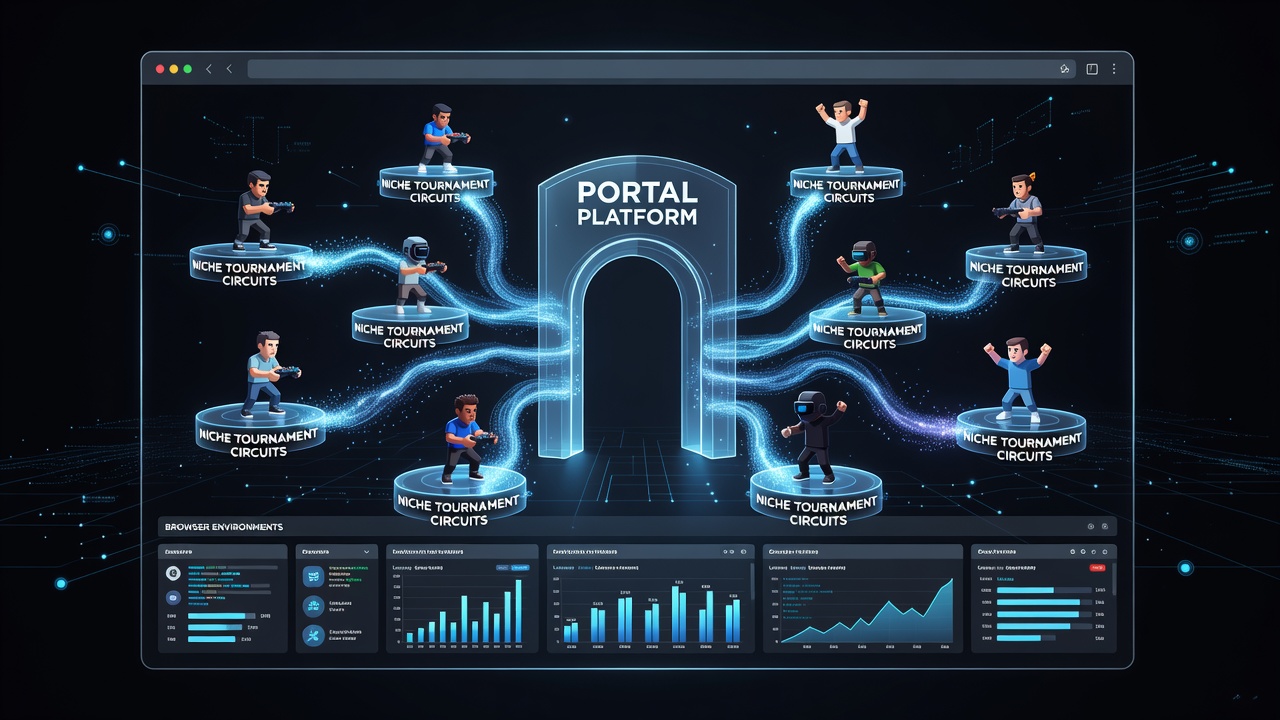
Portal platforms have expanded the reach of browser-based gaming by providing centralized access points where users discover, play, and compete in specialized titles without downloads or installations. These platforms host environments that support real-time matchmaking and scoring systems for games built on HTML5 and WebGL standards. Data from industry tracking shows browser tournament participation grew steadily through 2025, with further activity noted during August 2026 when several platforms introduced seasonal bracket updates for strategy and puzzle categories.
Technical Foundations of Browser Tournament Systems
Developers integrate API endpoints directly into portal sites to handle player registration, match verification, and result logging while maintaining compatibility across major web browsers. These systems rely on server-side processing to synchronize game states and prevent latency issues during competitive sessions. Researchers at academic institutions have documented how WebSocket protocols enable simultaneous updates across hundreds of concurrent matches, a capability that smaller niche circuits depend on for smooth operation.
Platform Features Supporting Niche Circuits
Many portals include built-in leaderboards, automated seeding algorithms, and spectator viewing modes tailored to narrow interest areas such as tile-matching competitions or turn-based simulation games. Observers note that these tools reduce administrative overhead for organizers who run circuits outside mainstream esports frameworks. Integration with social sharing functions allows participants to promote their matches, which in turn draws additional entrants from targeted communities.
Regional Growth Patterns Observed in 2026
Figures from the Interactive Games and Entertainment Association indicate increased browser tournament activity across multiple continents during teh first half of 2026. Platforms based in North America and Europe reported higher session volumes for niche genres compared with previous years, while developers in Asia Pacific regions contributed new game titles optimized for competitive play. Statistics Canada data on digital entertainment consumption further highlights rising engagement among users aged 18 to 34 who access these circuits through standard web connections.

One case involved a European portal that launched a dedicated circuit for physics simulation games in early 2026, resulting in weekly brackets that attracted several thousand registered competitors by August. The setup used cloud-based servers to manage replays and dispute resolutions, features that organizers credit with sustaining long-term participation. Similar initiatives appeared in Australia where local developers partnered with portals to host rhythm-based challenges that aligned with regional internet infrastructure improvements.
Challenges in Scaling Niche Competitions
Bandwidth limitations and varying browser security settings sometimes interrupt match flows, prompting platforms to deploy fallback mechanisms such as delayed synchronization. Industry reports emphasize that maintaining fair play requires ongoing updates to anti-cheat scripts because browser environments expose more client-side code than native applications. Those managing circuits address these issues through regular audits and community feedback loops that refine rulesets without altering core gameplay.
Future Outlook for Portal-Driven Circuits
Projections from research institutions suggest continued expansion as browser capabilities advance with improved graphics APIs and cross-device compatibility. Portal operators have begun testing AI-assisted matchmaking that pairs competitors based on historical performance metrics rather than self-reported skill levels. Such developments align with broader trends in digital recreation tracked by government statistical agencies in multiple countries.
Conclusion
Portal platforms continue to facilitate the formation and maintenance of niche tournament circuits by supplying accessible infrastructure that supports browser-native competition. Evidence from regulatory bodies and industry associations demonstrates measurable growth in participation and geographic reach through mid-2026. These systems operate within existing web standards while adapting to the specific demands of specialized game genres.