The Social Fabric of Browser-Based Multiplayer Games: Connections Built Through Free Online Play
Nils Schulz · Nov 16, 2026
The Social Fabric of Browser-Based Multiplayer Games: Connections Built Through Free Online Play
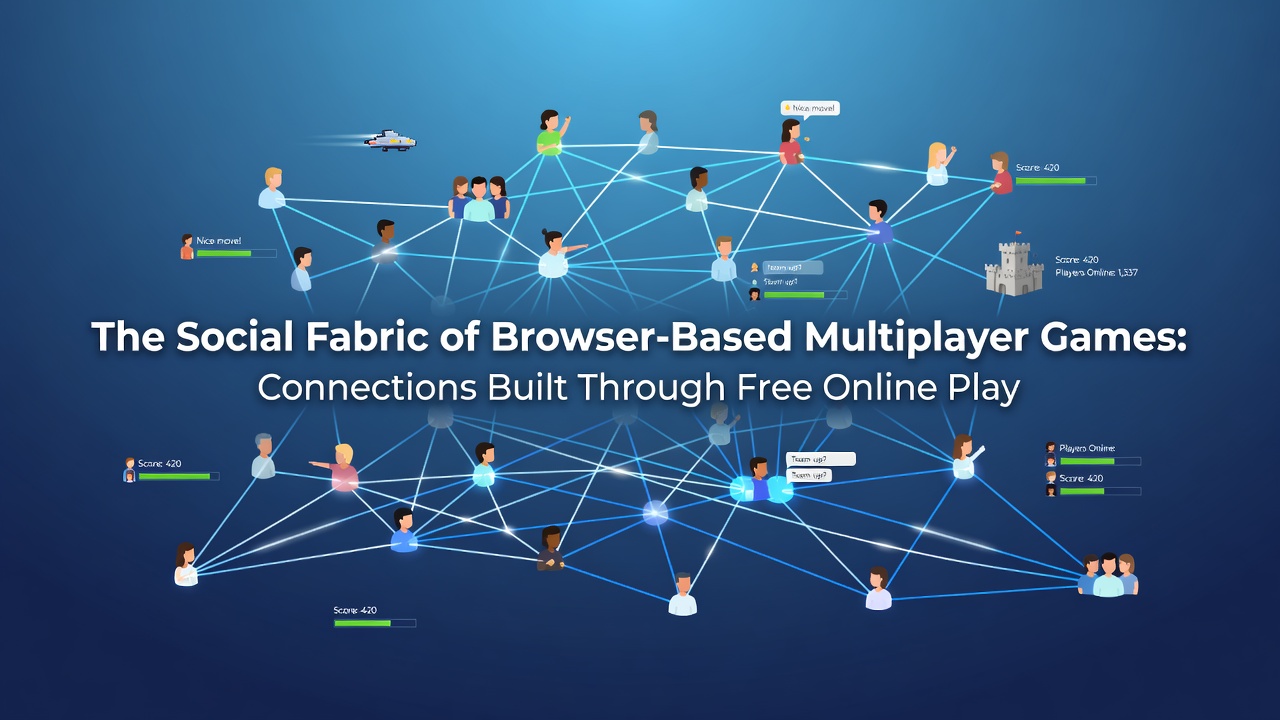
Browser-based multiplayer games have created persistent social structures that operate without downloads or installations, allowing participants from varied locations to form groups, coordinate activities, and maintain ongoing relationships through shared sessions. These platforms rely on standard web browsers to deliver real-time interactions, which removes technical barriers and broadens access across different devices and regions. Data from industry reports shows that millions of users log into such games daily, with many returning specifically for the social components rather than competitive elements alone.
Historical Development of Browser Multiplayer Environments
Early browser games emerged in the late 1990s and early 2000s through simple technologies like Java applets and Flash, which supported basic multiplayer features such as chat rooms and turn-based battles. Over subsequent decades developers shifted toward HTML5 and WebSocket protocols, which enabled smoother real-time gameplay and larger simultaneous player counts. Researchers at academic institutions have documented how these technical improvements coincided with growth in community features, including guilds, friend lists, and in-game messaging systems that persist across sessions. By the mid-2010s platforms like those hosting games in the .io genre demonstrated rapid user expansion, with player bases forming around cooperative or competitive mechanics that encouraged repeated logins.
Mechanics That Support Social Bonds
Free browser-based titles incorporate design elements such as shared objectives, resource trading, and voice or text communication channels that facilitate repeated contact among participants. These features allow players to establish roles within groups, negotiate strategies, and track progress collectively over weeks or months. Studies from research organizations indicate that such mechanics correlate with higher retention rates compared to single-player browser experiences, as users develop familiarity with recurring teammates. In many cases participants coordinate outside the game through external forums or messaging apps, extending connections beyond individual sessions. Data collected across multiple regions reveals patterns where players from different time zones align schedules to participate in events scheduled during peak hours in November 2026, highlighting the global reach of these networks.
Community Structures and Interaction Patterns
Observers note that browser multiplayer environments often mirror aspects of offline social groups through hierarchies, mentorship systems, and conflict resolution processes managed by players themselves. New entrants frequently receive guidance from established members, while long-term participants organize events or moderate discussions. Figures from trade associations show that a significant portion of activity in these games involves non-competitive socializing, such as casual chat or collaborative building projects. One documented case involved a long-running browser title where users formed subgroups dedicated to specific themes, leading to sustained participation even after core gameplay updates occurred. These patterns appear across various genres, from strategy simulations to simple arena matches, because the zero-cost entry point lowers the threshold for experimentation and repeated engagement.
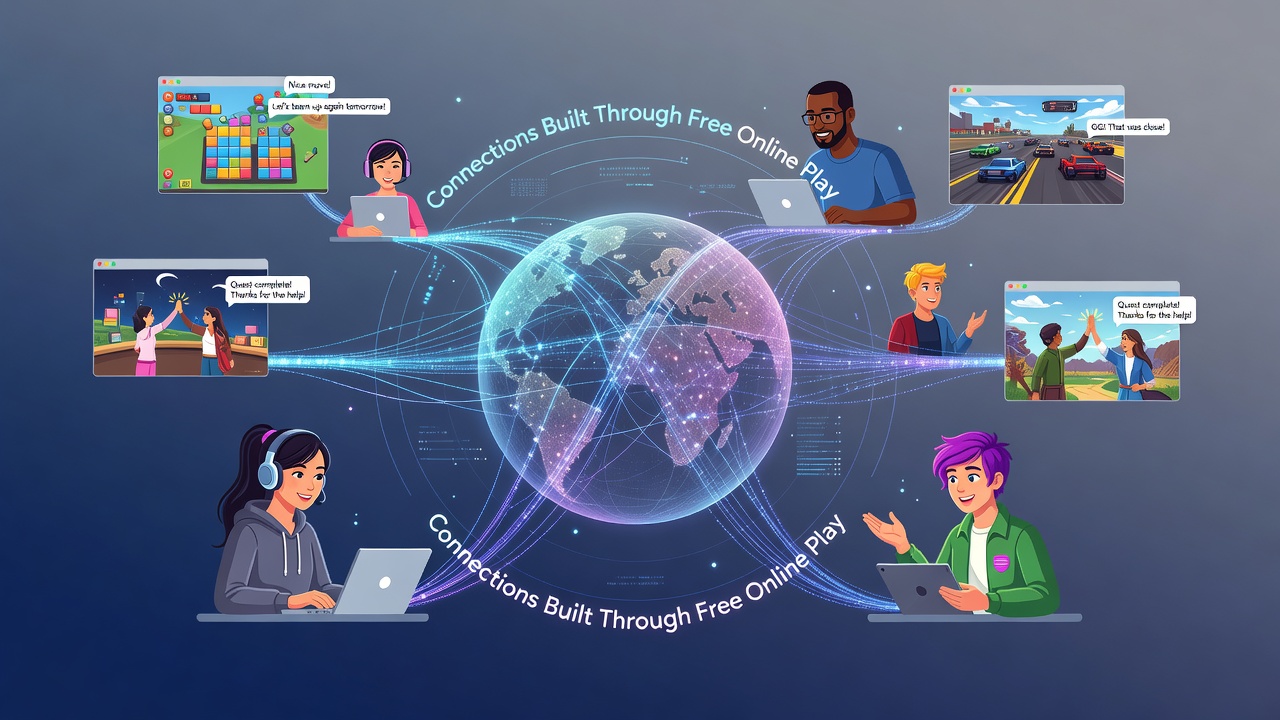
Geographic diversity contributes to the complexity of these social fabrics, as participants from North America, Europe, Asia, and other areas bring different cultural approaches to teamwork and communication. Reports compiled by international bodies have tracked how language barriers are sometimes overcome through visual cues or simple shared terminology developed within specific game communities. In November 2026 many platforms reported spikes in concurrent users during holiday periods, suggesting that seasonal timing influences social activity levels. Those who have analyzed user logs find that core groups often maintain stability despite fluctuating overall populations, because a subset of dedicated players anchors ongoing interactions.
Data on Participation and Retention
Statistics released by the Entertainment Software Association indicate steady growth in browser-accessible multiplayer formats, with particular emphasis on accessibility for younger demographics and those without high-end hardware. Separate analyses from Canadian research institutions have examined how free-to-play models influence social connectivity, revealing that participants cite relationship maintenance as a primary reason for continued involvement. These findings align with observations from Australian government-affiliated studies that monitored digital engagement trends, noting browser games as entry points for broader online community participation. Metrics collected in late 2026 show average session lengths extending when social features are active, compared to isolated play modes within the same titles.
Conclusion
Browser-based multiplayer games continue to function as venues where social connections develop through repeated, low-friction interactions enabled by free access and web-native technologies. The structures that emerge depend on design choices around communication and collaboration, which in turn shape how groups form and persist across time zones and cultural boundaries. Ongoing data collection from multiple sources confirms that these environments support measurable patterns of engagement centered on interpersonal dynamics rather than isolated gameplay.